What Happens in Your Head
When You're Down $200?
Twenty statements, no right answers — just an honest look at how you actually react to risk, loss, and being wrong. Round 1 is risk and loss. Round 2 is ego and discipline. Inspired by the trading psychology in Mark Douglas's Trading in the Zone. No signup to start; see your profile the moment you finish.
Last updated July 15, 2026
Ask a room of experienced traders why beginners blow up, and almost none of them will say “bad stock picks.” They'll say the person couldn't take a loss. Couldn't sit out a bad day. Doubled down to get even. Moved a stop because being wrong felt worse than losing money. The hard part of trading was never the analysis — it's that the analysis has to survive contact with your own nervous system.
That's what this quiz measures. Twenty statements, no right answers, no signup to see your Round 1 result. It won't tell you whether you know the market. It'll tell you something more useful and more uncomfortable: how you're likely to behave when the market is moving against you and real money is on the line.
Why psychology beats knowledge in trading
You can learn every pattern, every indicator, every setup on this site, and still lose money consistently — because trading punishes the exact instincts that keep us safe everywhere else. In normal life, avoiding pain is wisdom. In trading, refusing to accept a small loss is how a small loss becomes a catastrophic one. In normal life, chasing a win back is determination. In trading, it's called revenge trading, and it's on the short list of things that end accounts.
The skills are learnable in weeks. The temperament takes far longer, because you're not learning new information — you're overriding reflexes that served you well for your entire life. That's why two people can trade the identical strategy and one compounds while the other goes to zero. The strategy was never the variable.
Round 1 is your money. Round 2 is your ego.
The two halves measure different failure modes, and most people are weak in one without realising it. Round 1 is about loss — what actually happens in your head when a position is down and the screen is red. Do you cut it, freeze, or talk yourself into holding? Round 2 is about ego, and it's the harder one: the need to be right, the quiet erosion of your own rules, and what a winning streak does to the size of your next bet. Overconfidence after a few wins has ended more accounts than any losing streak ever has.
There's no passing score here, and nothing to memorise. The value is in seeing your own pattern clearly — because the trader who knows he chases losses can build a rule against it, and the one who doesn't just keeps chasing.
Round 1 · Risk & Loss
Answer how you actually react — not how you think you should. There are no right answers here, and nothing is graded.
Where these questions come from
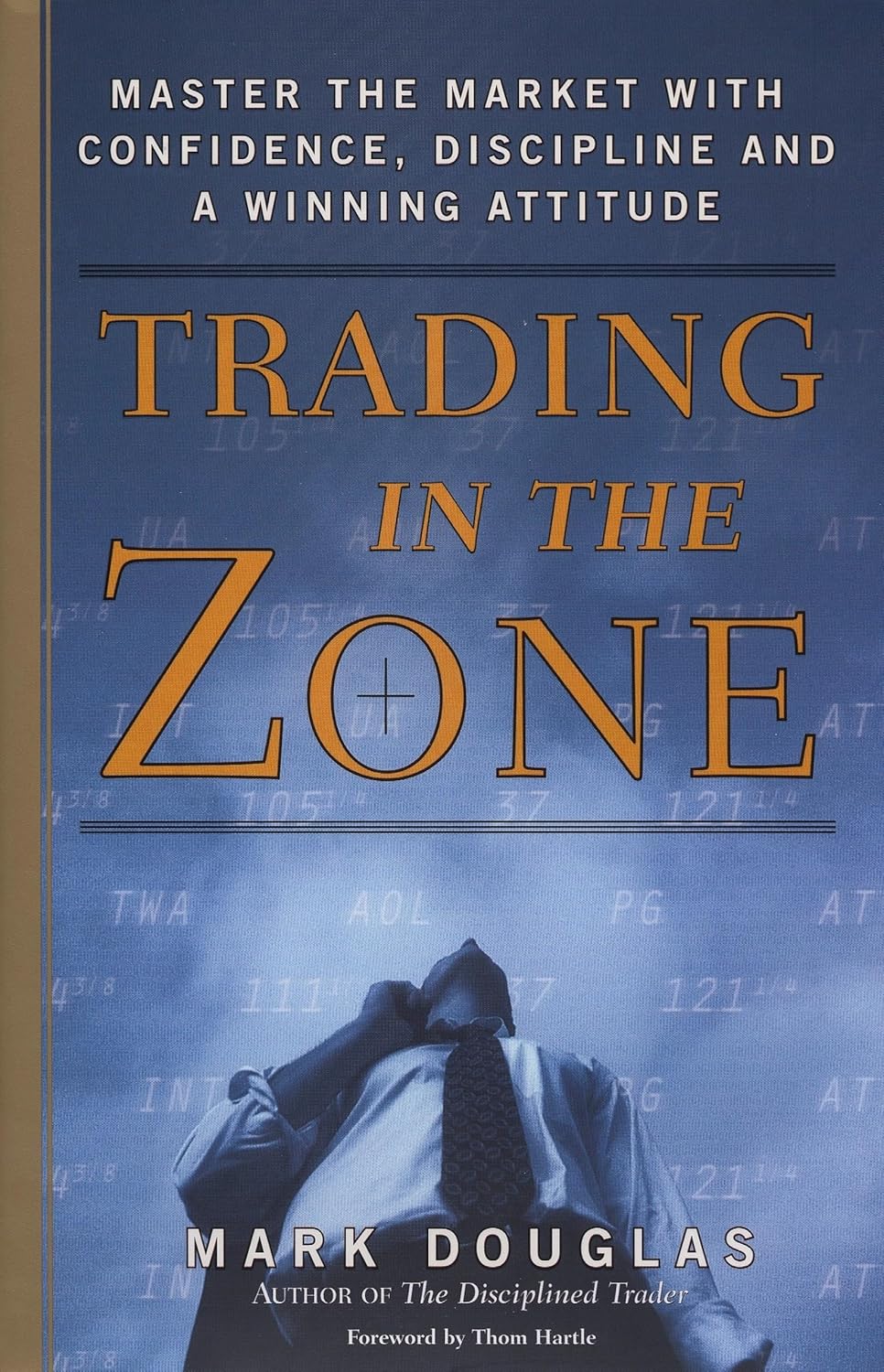
The statements are mine, but the thinking behind them isn't — it's Mark Douglas's Trading in the Zone: Master the Market with Confidence, Discipline and a Winning Attitude. His argument: you don't need to predict the next candle. You need to think in probabilities, and accept that any single trade can lose without your edge being broken. It's the book everyone points new traders to, and the hype holds up. I own it, I've read it, and I rated it 5/5.
Read Trading in the Zone →Affiliate link — I may earn a small commission at no cost to you. I only recommend what I've actually read or use.
Want the rest of my reading list? See every trading book I've reviewed →
Print it. I did.
Ten traps that cost traders money — and the rule that beats each one. Every rule answers one of the twenty statements you just rated, so it's the companion to what you scored above. It's not trade advice. It's the part nobody tests you on.
Mine is printed, laminated, and hanging at my workstation where I can see it without turning my head. That's not a gimmick — a rule only works if you read it at the moment you're about to break it, and that moment is never when you're browsing a website.
Free, no signup. One page, letter size, built to print.
Curious what the rest of the desk looks like? Here's my full trading workstation setup →